
When your doctor prescribes IV therapy, the first question that likely crosses your mind is, “Will my insurance cover this?” You’re searching for “IV therapy covered by insurance near me” because you need answers before committing to treatment, and you deserve clarity. The reality is more nuanced than a simple yes or no. While many infusion centers claim they “accept insurance,” understanding what that actually means for your specific situation can save you from surprise bills and financial stress.
At AmeriPharma Infusion Centers, we believe transparency starts before you ever receive treatment. Our dedicated team of insurance specialists has secured over $55 million in financial assistance for patients, and we’ve learned that the most empowered patients are those who understand exactly how insurance coverage works for IV therapy. This guide will clarify which therapies insurance typically covers, which ones don’t qualify, and how our verification process ensures you know your costs upfront — no surprises, no guesswork.
Here’s what we’ll cover:
- The difference between medically necessary infusion therapy and elective wellness IVs, and why it determines everything about coverage
- The three-tier system insurance companies use to evaluate IV therapy claims
- Five critical questions to ask any provider before your first appointment
- How AmeriPharma’s insurance verification process eliminates billing surprises in 7-14 days
Understanding the Two Categories of IV Therapy: Medical Necessity vs. Elective Wellness
The single most important factor determining whether your insurance will cover IV therapy is medical necessity. This isn’t arbitrary; insurance companies follow strict clinical guidelines that distinguish between treatments prescribed to manage diagnosed conditions versus elective services chosen for general health optimization.
Medically necessary IV therapy means your physician has diagnosed you with a specific medical condition using the correct ICD-10 diagnostic code, determined that infusion therapy is the appropriate treatment based on clinical evidence, and prescribed a specific medication at a defined dosage and frequency.
In contrast, elective wellness IV therapy typically includes services marketed for hangover relief, energy boosts, athletic performance enhancement, or beauty purposes. These treatments lack the medical documentation and clinical necessity that insurers require for coverage.
| Medically Necessary Infusion Therapy (Usually Covered) | Elective Wellness IV Therapy (Rarely/Never Covered) |
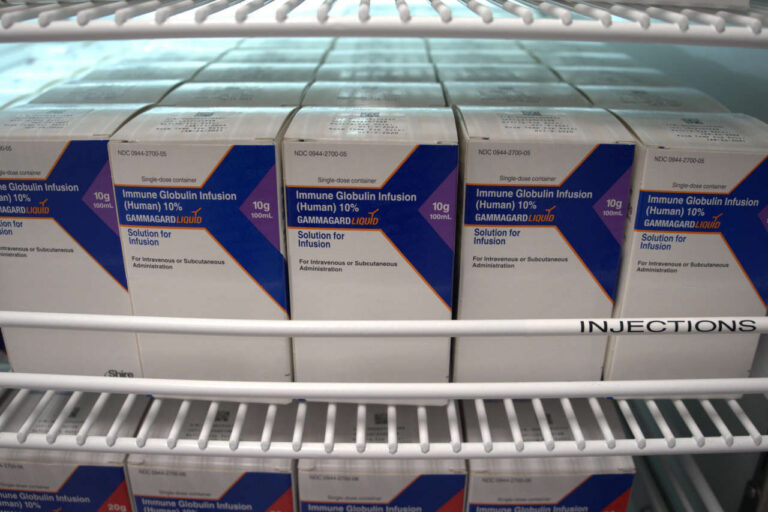
| IVIG for primary immunodeficiency diseases | Hangover recovery or detox drips |
| IVIG for chronic inflammatory demyelinating polyneuropathy (CIDP) | Athletic performance or energy enhancement |
| Biologic infusions for Crohn’s disease (e.g., Remicade, Entyvio) | Anti-aging or beauty vitamin cocktails |
| Biologic infusions for rheumatoid arthritis | IV hydration without medical diagnosis |
| Enzyme replacement therapy for genetic disorders | General immune support or wellness boosters |
| IV antibiotics for serious infections (e.g., osteomyelitis) | IV vitamin therapy for lifestyle enhancement |
| Iron infusions for diagnosed anemia | Recovery IVs for fitness or travel |
| Specialty chemotherapy drugs | Fertility-related IVIG (considered experimental) |
Why this distinction matters: According to a 2020 study in Arthritis Care & Research, 71% of infusible medications require prior authorization [1]. If your therapy doesn’t meet medical necessity criteria, your claim will be denied regardless of how many times it’s submitted.
At AmeriPharma, the most common medically necessary conditions we treat include chronic inflammatory demyelinating polyneuropathy (IVIG), common variable immunodeficiency (IVIG), myasthenia gravis (IVIG), multiple sclerosis (biologic infusions), rheumatoid arthritis (biologic infusions), Crohn’s disease and ulcerative colitis (biologic infusions), and iron deficiency anemia (IV iron infusions).
Place of Service Impact: Where you receive your infusion significantly affects both coverage and costs. Hospital-based infusions often cost 2-3 times more than the same treatment at an outpatient infusion center. A biologic infusion administered in a hospital outpatient department might require a $500 copay, while the same infusion at an accredited infusion center like AmeriPharma might have a $50-$150 copay, depending on your plan. Please note that coverage and copay amounts may vary significantly based on factors such as diagnosis, therapy, dosage, and individual plan design. This example is provided for illustrative purposes only and may not reflect a specific patient’s situation.
The Three-Tier Coverage System: How Insurance Companies Evaluate Your IV Therapy
Insurance companies don’t evaluate all infusion therapies equally. Understanding the tier system helps set realistic expectations for approval likelihood and timeline.
Tier 1: Specialty Biologics & IVIG (High Coverage Likelihood)
Approval Rate: 80-90% with proper documentation | Typical Turnaround: 7-14 days with prior authorization
These therapies include IVIG for immunodeficiency, biologic therapies for Crohn’s disease, and Ocrevus for multiple sclerosis. They have extensive clinical evidence supporting their use and are often the standard of care for specific conditions. At AmeriPharma, our 81% prior authorization approval rate for these therapies reflects our team’s expertise in preparing comprehensive submissions that meet insurer requirements on the first attempt. Diagnosis must match FDA-approved indications, patients typically must try conventional treatments first, and prescribing physicians must be appropriate specialists.
Tier 2: Acute Medical Infusions (Case-by-Case Evaluation)
Approval Rate: 60-75% depending on clinical presentation | Typical Turnaround: 3-10 days
Examples include IV antibiotics for home-based treatment of serious infections, IV hydration for hyperemesis gravidarum, and iron infusions for anemia. These therapies receive more scrutiny because alternatives may exist. Insurance companies evaluate whether oral or outpatient alternatives were attempted first, severity of the condition, and cost-effectiveness compared to inpatient hospital treatment.
Tier 3: Wellness & Elective IVs (Rarely Covered)
Approval Rate: Less than 5% | Typical Cost: $100-$400 per session, paid out-of-pocket
Unless you have a documented medical condition requiring these specific nutrients via IV administration, insurance will not cover wellness IVs like Myers’ Cocktail, NAD+ infusions, or vitamin C “mega-dose” therapy. If a provider advertises “insurance accepted” for wellness IVs without verifying your diagnosis and benefits first, this is a red flag. You’ll likely receive a bill for the full amount after treatment.
5 Questions Every Patient Should Ask Before Starting IV Therapy
Not all infusion centers provide the same level of insurance support. Before committing to treatment, these five questions will reveal whether a provider truly advocates for you or leaves you to navigate the insurance maze alone.
1. “Are you in-network with my insurance plan?”
Why it matters: In-network providers have negotiated rates with your insurance company, resulting in significantly lower out-of-pocket costs. Out-of-network infusion centers can cost 2-3 times more, and your insurer may not cover the service at all.
AmeriPharma answer: We verify in-network status within 4 hours of your initial contact and provide a written estimate before scheduling your first infusion. We’re in-network with most major insurance carriers in our service areas.
2. “Will you verify my insurance benefits before treatment and provide a written cost estimate?”
Why it matters: Benefits verification confirms your deductible status, copay amounts, coinsurance percentages, and out-of-pocket maximum — giving you a clear picture of your financial responsibility before treatment begins.
AmeriPharma answer: Our insurance verification team completes benefits investigation within 4 hours and delivers a written financial estimate before your first appointment. Thirty percent of our patients end up paying $0 out-of-pocket after we screen them for copay assistance programs.
3. “Who handles prior authorizations — your team, or am I responsible?”
Why it matters: Prior authorization is the most complex step in the insurance approval process. According to research, 71% of infusible medications require prior authorization [1], and the average physician’s office spends 14.6 hours per week on prior authorization paperwork [2]. Many community-based infusion centers verify eligibility but leave the authorization burden to your physician — causing treatment delays.
AmeriPharma answer: Our dedicated insurance specialists submit over 4,300 prior authorizations annually with an 81% approval rate and an average turnaround time of 7-14 days. We work directly with your physician’s office to gather all necessary documentation. You don’t lift a finger.
4. “What is your prior authorization approval rate, and what happens if my claim is denied?”
Why it matters: A high approval rate (above 70%) indicates expertise in documentation and insurer requirements. More importantly, you need to know what happens if your initial request is denied.
AmeriPharma answer: Our 81% initial approval rate reflects our team’s expertise, but when denials happen, we manage the entire appeals process at no cost to you. We work with your physician to provide additional clinical justification and have achieved a 71% success rate in overturning initial denials. In a majority of cases, AmeriPharma is able to obtain prior authorizations when other pharmacies have already tried and failed. We don’t give up on your case.
5. “Do you help patients find financial assistance?”
Why it matters: Even with good insurance, out-of-pocket costs for specialty infusions can be substantial. Many patients don’t realize that multiple financial assistance programs exist: manufacturer copay cards, independent charitable foundations, patient assistance programs, and flexible payment plans.
AmeriPharma answer: Our financial assistance specialists have helped to secure over $55 million in financial assistance for our patients. With permission, we automatically screen every patient for every available funding programs during the after the benefits verification process. We help patients navigate the application process, and, as a result, 30% of our patients pay $0 out-of-pocket for their treatments.
How AmeriPharma’s Insurance Verification Process Works: From Referral to First Infusion
We’ve designed our insurance verification process to be seamless, transparent, and stress-free. Here’s exactly what happens:
| Step | What Happens | Timeline |
| 1. Initial Contact | You provide insurance information, prescription, and diagnosis. We answer all your questions. | Same day |
| 2. Benefits Verification | We contact your insurer to confirm in-network status, prior authorization requirements, deductible, copay, coinsurance, and out-of-pocket maximum. | Within 4 hours |
| 3. Prior Authorization | If required, we request medical records from your physician, pre-screen documentation, submit a comprehensive authorization request, and follow up until we get an answer. | 12-72 hours on average |
| 4. Financial Estimate | You receive a written cost estimate showing exactly what you’ll owe per treatment, plus automatic screening for copay assistance programs and payment plan options. | Within 24 hours of approval |
| 5. Treatment & Ongoing Management | We submit all claims accurately and on time, monitor claim status, resolve processing issues, and track your progress toward deductibles and out-of-pocket maximums. | Throughout your care |
What makes us different: As our insurance team explains, “Sometimes doctor’s offices submit incomplete prior authorization requests, leading to automatic denials. Our team pre-screens every submission and works proactively with the patient and doctor to make sure all details are correct before submitting. We get prior authorizations when other pharmacies fail.”
What To Do If Your Insurance Denies Coverage
Even with complete documentation, insurance denials happen. According to 2024 state insurance data, prior authorization approval rates for specialty therapies range from 69-89% [3]. Common denial reasons include incomplete clinical documentation, step-therapy requirements not met, diagnosis codes that don’t match FDA-approved indications, or treatment frequency that exceeds plan coverage limits.
If your initial request is denied, you have appeal options. AmeriPharma manages the entire appeals process at no cost to you, from submitting additional clinical documentation to coordinating peer-to-peer reviews between your physician and the insurer’s medical director. Our 71% success rate in overturning initial denials means most patients ultimately receive coverage approval. In rare cases requiring external review or state insurance commissioner intervention, we provide all necessary documentation and connect you with patient advocacy resources.
While appeals are pending, we help patients explore compassionate use programs, foundation grants, and alternative medications in the same therapeutic class that might be covered with less documentation burden.
Take the Next Step: Free Insurance Verification
You deserve to know your costs before committing to treatment. Whether you’re newly diagnosed or considering switching from hospital-based infusions to an outpatient center, AmeriPharma’s insurance verification team is here to provide clarity — at no cost to you.
Why choose AmeriPharma Infusion Centers:
✓ 81% prior authorization approval rate, among the highest in the industry
✓ $55 million+ in financial assistance secured for patients since inception
✓ 30% of patients pay $0 out-of-pocket after copay assistance screening
✓ 4-hour benefits verification turnaround, get answers the same day
✓ Triple accreditation (URAC, ACHC, NABP) for safety and quality standards
✓ Resort-style comfort with private suites, complimentary amenities, and IgCN-certified nurses
✓ In-network with 95%+ of major insurance carriers in our service areas
Don’t let insurance confusion delay the treatment you need. Our specialists handle the paperwork, appeals, and financial assistance applications so you can focus on your health.
Request Free Insurance Verification Now
Frequently Asked Questions
How long does insurance verification take?
AmeriPharma completes insurance benefits verification within 4 hours of receiving your information. If prior authorization is required, the full approval process averages 7-14 days. In special circumstances, if authorization requires an urgent decision, our team will request an expedited review, which takes between 48-72 hours.
Will my insurance cover infusions at an outpatient center versus a hospital?
Most insurance plans cover infusions at accredited outpatient centers like AmeriPharma — often at significantly lower copays than hospital-based treatment. We verify your specific plan’s coverage during benefits verification.
What happens if my insurance changes during treatment?
We re-verify your benefits whenever your insurance changes and handle any new prior authorization requirements. Contact us immediately if you switch plans so we can update your coverage information.
Do you accept Medicare and Medicaid?
Yes, AmeriPharma is an in-network provider for Medicare Part B and many Medicaid plans. Coverage specifics vary by state and plan type — our team will verify your exact benefits.
REFERENCES:
- Wallace, Z. S., Harkness, T., Fu, X., Stone, J. H., Choi, H. K., & Walensky, R. P. (2020). Treatment Delays Associated with Prior Authorization for Infusible Medications: A Cohort Study. Arthritis Care & Research, 72(11), 1543–1549. https://pmc.ncbi.nlm.nih.gov/articles/PMC7062557/
- Centers for Medicare & Medicaid Services. (n.d.). Intravenous Immune Globulin – Policy Article (A52509). Medicare Coverage Database. https://www.cms.gov/medicare-coverage-database/view/article.aspx?articleId=52509
- Washington State Office of the Insurance Commissioner. (2024). Health Plan Prior Authorization Data 2024 Annual Report. https://www.insurance.wa.gov/sites/default/files/2025-02/2025-prior-authorization-report-final.pdf
- AmeriPharma Infusion Center. (2025). Is IV Therapy Covered by Insurance? Complete 2025 Guide. https://ameripharmainfusioncenter.com/is-iv-therapy-covered-by-insurance-aic/








 English
  Spanish
  Chinese
  Vietnamese