
A diagnosis requiring ongoing IV infusion therapy can feel overwhelming. You might be grappling with a new and complex medical condition, and now you have to navigate the world of intravenous treatments. You are not alone in this journey. This guide is here to provide clarity and empower you to make the best decisions for your health. We will walk you through the differences between IV therapy and IV infusion, the types of treatments available, and how to choose a facility that offers not just clinical excellence, but also comfort, support, and peace of mind. Let’s begin by demystifying the terms you’ll hear as you start your treatment.
A Note for Caregivers
If you are a caregiver for a loved one who requires IV infusion therapy, we understand that you play a crucial role in their care. You are their advocate, their support system, and their partner in navigating this complex journey. This guide is for you, too. We want to provide you with the information you need to feel confident in the decisions you make together. We will address your concerns and provide you with the knowledge to find a treatment center that cares for both the patient and their loved ones.
Understanding the Terminology
IV therapy is a broad term referring to any treatment delivered directly into the bloodstream through an intravenous line. Common examples include hydration therapy, vitamin infusions, and basic medication administration. These treatments are generally shorter in duration, often lasting between 30 minutes to an hour, and are typically administered for wellness or acute needs in a variety of healthcare settings.
IV infusion, on the other hand, is a specific type of IV therapy involving complex medications that require specialized administration, monitoring, and expertise. These are not the kind of infusions you would receive at a walk-in clinic. IV infusion is a method for delivering therapies such as intravenous immunoglobulin (IVIG) for autoimmune conditions, biologic medications for inflammatory diseases, and enzyme replacement therapies for rare genetic disorders. These infusions are typically longer, lasting from 30 minutes to 8 hours per session, and are part of an ongoing treatment plan for chronic conditions. They require a higher level of medical oversight, specialized nursing expertise, and coordinated care between your physician, pharmacy, and insurance provider.
While the terms are sometimes used interchangeably, the critical difference lies in the complexity and level of care required. Understanding this distinction is essential when evaluating where to receive your treatment. Now that you understand the terminology, let’s explore where these treatments are typically administered and what makes each setting unique.
Where to Receive IV Infusion Treatment: A Comparison
Choosing the right setting for your IV infusion therapy significantly impacts your treatment experience, costs, and outcomes. Here’s how the main options compare:
| Feature | Specialized Outpatient Infusion Centers | Hospital Infusion Departments | Home Infusion Services |
|---|---|---|---|
| Expert Nursing Care (IgCN) | ✓ | ✓ | Varies |
| Comfortable, RT Reclining Chairs | ✓ | ✗ | N/A |
| Insurance & Financial Assistance | ✓ | ✗ | Limited |
| Low Risk of Exposure to Illness | ✓ | ✗ | ✓ |
| Cost-Effective Treatment | ✓ | ✗ | ✓ |
| 24/7 Pharmacist Support | ✓ | ✗ | ✗ |
| Immediate Emergency Support | ✓ | ✓ | ✗ |
| Consistent Nursing Team | ✓ | ✗ | ✗ |
As the table illustrates, specialized outpatient infusion centers offer a unique combination of clinical expertise, patient comfort, and cost savings, particularly for patients requiring ongoing treatment with complex medications like IVIG and biologics.
Types of IV Infusion Therapies
Understanding the type of treatment you’ve been prescribed helps you evaluate which facility is best equipped to safely administer your therapy. Specialized infusion centers are designed to handle a wide range of complex medications, each with unique requirements.
Immunoglobulin Therapy (IVIG)
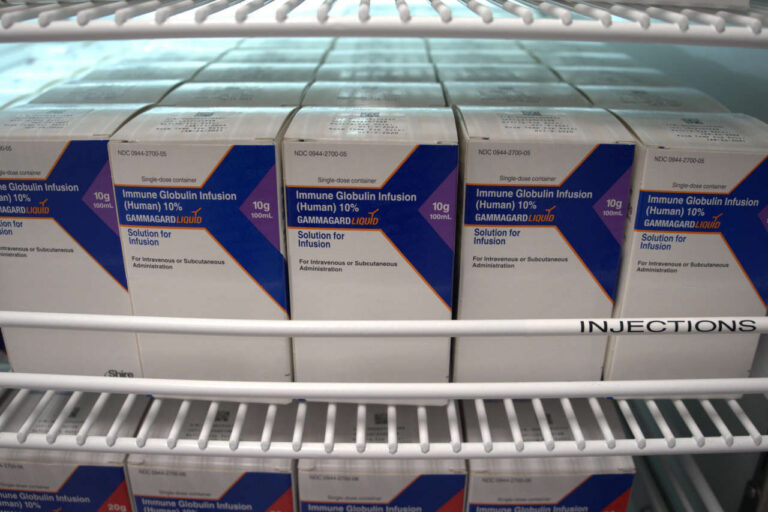
Immunoglobulin therapy, or IVIG, is a treatment made from concentrated antibodies that is administered intravenously to treat a variety of immune deficiencies and autoimmune disorders. According to the Cleveland Clinic, IVIG contains antibodies that your body can use to fight off infections [1].
Conditions where IVIG therapy may be prescribed:
- Chronic Inflammatory Demyelinating Polyneuropathy (CIDP)
- Common Variable Immunodeficiency (CVID)
- Myasthenia Gravis
- Guillain-Barré Syndrome
- Multifocal Motor Neuropathy
IVIG infusions typically last between 2 to 6 hours and are administered on a weekly, biweekly, or monthly basis. These treatments require specialized monitoring for potential reactions, and the high cost of the medication necessitates a thorough insurance approval process. This is where specialized centers excel, as they have nurses trained in managing infusion reactions and dedicated teams to handle the complexities of insurance approvals.
Biologic Medications
Biologic medications are a class of drugs derived from living organisms that target specific parts of the immune system. As explained by the Arthritis Foundation, these powerful drugs can slow or stop the inflammation that damages joints and organs [2].
Conditions where biologic medications may be prescribed:
- Rheumatoid Arthritis
- Crohn’s Disease and Ulcerative Colitis
- Multiple Sclerosis
- Psoriatic Arthritis
- Ankylosing Spondylitis
Common biologic infusions include Remicade (infliximab), Tysabri (natalizumab), and Ocrevus (ocrelizumab). These infusions can last from 1 to 4 hours and are typically administered every 4 to 8 weeks. Biologics require precise preparation, administration timing, and monitoring protocols that general clinics may not be equipped to handle.

Other Complex Infusions
Beyond IVIG and biologics, specialized infusion centers administer a variety of other complex treatments, including:
- Enzyme Replacement Therapies: Used to treat rare genetic disorders such as Fabry disease, Gaucher disease, and Pompe disease. These infusions help replace deficient or absent enzymes, improving quality of life and slowing disease progression. The National Organization for Rare Disorders (NORD) offers valuable guidance and support for patients navigating these diagnoses.
- Coagulation & Clotting Support: For patients with bleeding disorders such as hemophilia or von Willebrand disease, timely infusion of clotting factors is critical. These therapies are often coordinated around specific medical events, like surgeries or injury recovery, and require precise dosing and monitoring to prevent complications.
- Neurology Infusions: Infusions such as rituximab, ocrelizumab, or eculizumab are commonly used to manage neurologic autoimmune conditions like multiple sclerosis, myasthenia gravis, and neuromyelitis optica. Administering these therapies in a calm, controlled setting helps reduce stress and allows for close clinical oversight, particularly for patients with complex neurologic needs.
With these complex, high-stakes treatments, choosing the right infusion center becomes a critical healthcare decision.
How to Choose the Right Infusion Center
Not all infusion centers are created equal. When you’re facing a long-term treatment plan, knowing what to look for in an infusion center is crucial. If you’re asking yourself, ‘how do I find the best infusion center near me?’, this section will guide you through the most important factors to consider. These elements will not only affect your comfort and convenience but also your financial well-being and, most importantly, your health outcomes.
1. Nurse Qualifications and Expertise
Infusion therapy—especially immunoglobulin (Ig) treatment—demands skills that go beyond general nursing. The expertise of the nursing staff is essential to your safety and comfort. Look for an infusion center with experienced nurses, including those who are Immunoglobulin Certified Nurse (IgCN®) certified. The Immunoglobulin National Society (IgNS) developed the IgCN® credential as the only nationally recognized certification dedicated specifically to immunoglobulin therapy.
Why it matters
Nurses with IgCN® certification have advanced training in the administration and management of IVIG and SCIG therapies, infusion pharmacology, and recognizing and managing adverse reactions. Their specialized knowledge helps ensure that infusions are delivered safely and comfortably. Many infusion-related reactions can be prevented—or addressed quickly—by highly trained nurses who remain with you throughout your treatment.
While not all infusion centers employ IgCN®-certified nurses, having them on staff is a strong indicator of a center’s commitment to quality, patient safety, and excellence in immunoglobulin therapy care.
Questions to ask
- Does your nursing team have experience with my specific Ig therapy?
- Do you have IgCN®-certified nurses on staff?
- Will I have consistency in which nurses care for me?
2. Facility Accreditation and Safety Standards
Accreditation isn’t just paperwork, it represents adherence to the highest safety and quality standards in the industry. These independent organizations conduct rigorous audits to ensure proper medication handling, sterile procedures, and patient safety protocols.
Key trust signals:
- URAC Accreditation: A leading organization in promoting healthcare quality through accreditation, education, and measurement programs.
- ACHC (Accreditation Commission for Health Care) Accreditation: A nationally recognized accreditation organization that has been a symbol of quality and excellence since 1986.
- NABP (National Association of Boards of Pharmacy) Certification: Demonstrates a pharmacy’s commitment to patient safety and quality care.
- NICA (National Infusion Center Association) Membership: A national association dedicated to supporting non-hospital, community-based infusion centers.
3. Insurance Navigation and Financial Assistance
This may be the most significant differentiator. Complex infusion medications can be incredibly expensive, and navigating the prior authorization process, what many patients call “insurance approvals”, can be a daunting task. The best specialized infusion centers employ dedicated teams who proactively contact insurers, secure coverage, and connect patients with financial assistance programs. These are services you won’t find at most hospital infusion departments.
Why it matters: Without expert support, patients often face delayed treatment due to insurance issues, unexpected bills, and missed financial assistance opportunities. A dedicated financial assistance team can make a world of difference. If you are wondering how to get financial assistance for IVIG or other expensive biologic medications, a specialized center’s financial counselors are your best resource.
Questions to ask:
- Do you handle the insurance approval process in-house?
- What percentage of patients receive copay assistance?
- Will I know my out-of-pocket costs before treatment?
4. Treatment Environment and Amenities
When you’re spending several hours receiving treatment every few weeks, comfort isn’t a luxury, it’s essential to your wellbeing and ability to adhere to your treatment plan. Hospital infusion departments often involve crowded waiting rooms, shared spaces with limited privacy, and a higher risk of exposure to other illnesses. In contrast, specialized infusion centers create healing environments that reduce stress and make regular treatment sustainable long-term.
What to look for:
- Private or semi-private infusion suites
- Comfortable recliners designed for long treatments
- Entertainment options (streaming options, WiFi, etc.)
- Complimentary refreshments
- Easy parking
It is important to note that amenities can vary by location. For example, the Orange, CA location offers private suites, while our Beverly Hills location has comfortable shared suites.
5. Comprehensive Support Services
Your care shouldn’t end when you leave the infusion center. Look for a center that offers comprehensive support services, such as 24/7 access to a pharmacist, patient navigators or care coordinators, and direct communication with your physician. This level of support provides peace of mind that hospitals and general clinics cannot match.
Armed with these criteria, you can evaluate your options and ask the right questions to find the infusion center that is right for you.
What to Expect at a Specialized Infusion Center
If you’ve never visited an outpatient infusion center, the process is designed to be as smooth and stress-free as possible. Here’s what a typical treatment day looks like:
Before Your First Visit
- Insurance Verification: The center’s team contacts your insurance provider to confirm your coverage and benefits.
- Insurance Approval Process: They obtain the necessary insurance approvals, a process that will take less than one month.
- Financial Counseling: You’ll receive clear information about your out-of-pocket costs and any available financial assistance programs.
- Medication Procurement: Your prescription is filled and prepared for your appointment.
Your Treatment Day
- Arrival: You’ll check in at a welcoming reception area with minimal wait time. Parking is typically convenient and close to the entrance.
- Preparation: A dedicated infusion nurse will review your medical history, check your vital signs, and administer any necessary pre-medications. Your nurse, an expert in venous access, will then establish your IV line.
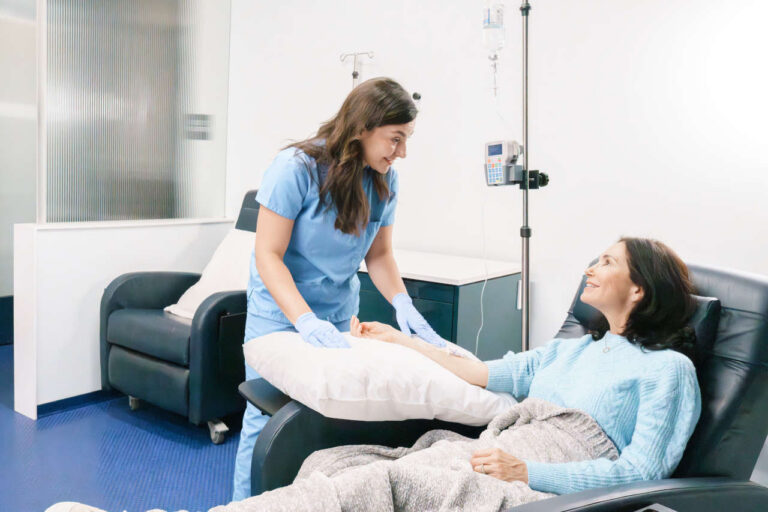
- During Infusion: You can relax in a comfortable recliner in a private or shared suite, enjoying amenities like streaming options, reading materials, and complimentary snacks and beverages. Your nurse will remain nearby to monitor your infusion and ensure your comfort.
- After Infusion: Once your infusion is complete, your nurse will disconnect the IV and provide you with any necessary post-treatment instructions. You’ll be able to schedule your next appointment and head home.
This patient-centered approach is designed to make your treatment experience as positive and comfortable as possible.
Conclusion
Your health and well-being are too important to settle for a stressful or impersonal treatment experience. You deserve a provider that offers clinical excellence, compassionate care, and a comfortable environment. A specialized outpatient infusion center can provide all of this and more, empowering you to manage your chronic condition with confidence and peace of mind.
If you are ready to experience the AmeriPharma difference, we invite you to take the next step. Contact one of our patient navigators today to discuss your needs, or explore our locations to find a center near you. We are here to answer your questions, guide you through the insurance approval process, and welcome you into our family of patients.
REFERENCES:
[1] Cleveland Clinic. (n.d.). IVIG (Intravenous Immunoglobulin): Treatment & Side Effects. Retrieved from https://my.clevelandclinic.org/health/treatments/ivig-intravenous-immunoglobulin
[2] Arthritis Foundation. (n.d.). Biologics (Biologic Medication & Drugs): What It Is & Types. Retrieved from https://www.arthritis.org/drug-guide/biologics/biologics
[3] Infusion Nurses Society. (n.d.). CRNI – INS. Retrieved from https://www.ins1.org/crni/
Additional Resources
- Infusion Nurses Society – Professional organization for infusion nursing
- URAC – Healthcare quality accreditation organization
- ACHC – Accreditation Commission for Health Care
- NABP – National Association of Boards of Pharmacy
- NICA – National Infusion Center Association
- National Organization for Rare Disorders (NORD) – Patient advocacy for rare diseases











 English
  Spanish
  Chinese
  Vietnamese