
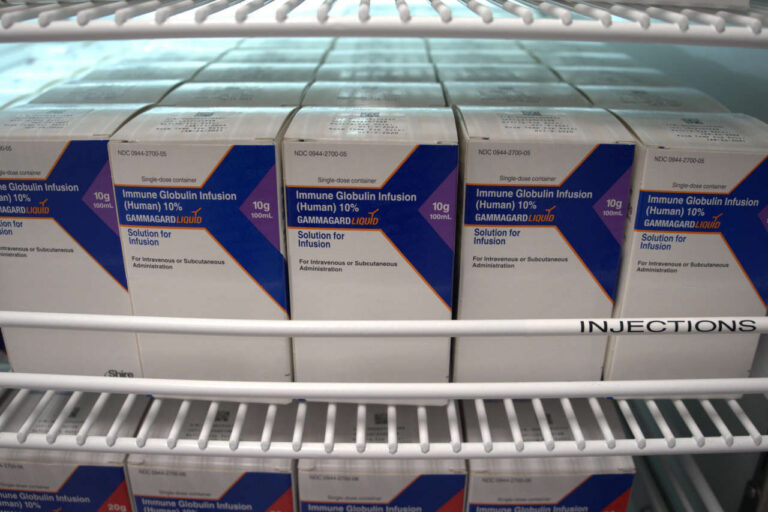
Gammagard is a trusted immunoglobulin therapy that replaces missing antibodies in patients with primary immunodeficiency (PI), and provides therapeutic support for conditions like multifocal motor neuropathy (MMN) and chronic inflammatory demyelinating polyneuropathy (CIDP) [1]. As with any medical treatment, it’s natural to have questions about potential side effects. The good news? Most side effects are mild, temporary, and manageable with proper preparation and support.
This article provides a complete breakdown of Gammagard side effects, from common mild reactions to rare but serious complications, along with practical strategies to minimize discomfort and know exactly when to seek help. You’ll learn:
- Who’s at higher risk for side effects and why personalized protocols matter
- Common side effects by administration method (IV vs. SubQ) and their typical severity
- A clear timeline of when side effects occur and how long they last
- Serious side effects that require immediate medical attention and warning signs to watch for
- Evidence-based strategies to minimize side effects
Key Takeaways: What You Need to Know About Gammagard Side Effects
- Most side effects are mild and temporary. Clinical studies show 98% of non-serious side effects from immunoglobulin therapy are mild to moderate, and serious complications are rare [2].
- Side effects improve over time. Your first few infusions typically have the highest chance of side effects. Most patients notice significant improvement by their 3rd to 5th treatment as their body adapts [1].
- Administration method matters. IV administration tends to cause more systemic effects (headache, fever), while SubQ causes more localized site reactions. Neither is objectively better or worse.
- Prevention strategies work. Proper hydration, slower infusion rates, and premedication can significantly reduce side effect frequency and severity.
- Know when to seek help. While most reactions are manageable at home, certain symptoms like difficulty breathing, severe chest pain, or reduced urination require immediate medical attention.
Gammagard Side Effects at a Glance
| Side Effect Category | Common Examples | Frequency* | Typical Duration | Severity Level |
| IV Infusion Site Reactions | Pain, redness, swelling at the infusion site | 5-10% of infusions | 2-24 hours | Mild |
| SubQ Local Reactions | Swelling, itching, bruising, warmth | 2.4% per infusion | 24-48 hours | Mild to Moderate |
| Systemic Mild Effects | Headache, fatigue, low-grade fever | 40-48% of patients | 2-48 hours | Mild to Moderate |
| Flu-Like Symptoms | Chills, body aches, nausea | 15-28% of patients | 24-48 hours | Moderate |
| Serious Allergic Reactions | Hives, difficulty breathing, throat swelling | <1% of infusions | Minutes to hours | Severe: Requires immediate intervention |
| Kidney-Related | Reduced urination, sudden weight gain, leg swelling | Rare; higher risk patients | Days to weeks | Severe: Requires monitoring |
| Blood Clots (Thrombosis) | Leg/arm pain with swelling, chest pain | Rare; risk factors apply | Hours to days | Severe: Medical emergency |
| Hemolysis | Dark urine, fatigue, yellowing skin/eyes | Rare; higher with doses ≥2g/kg | 36-96 hours | Severe: Requires monitoring |
*Frequency data from FDA-approved clinical trials and post-marketing surveillance [1,2].
Who’s at Higher Risk for Side Effects?
Individual factors can affect the likelihood of Gammagard side effects. Understanding your risk profile helps your care team personalize your protocol for optimal safety.
First-Time and Brand-Switching Patients
If you’re receiving immunoglobulin therapy for the first time, higher side effect rates during initial infusions are normal as your immune system adjusts to concentrated immunoglobulins for the first time [1]. Most first-time patients notice dramatic improvement by their 3rd or 4th infusion.
Because all IVIG products have a slightly different formulation and manufacturing process, your body may temporarily react to the new product when switching brands. This adjustment period is expected, and typically resolves within 2-4 infusions [1]. Slower initial infusion rates and enhanced monitoring during the first few infusions help manage this transition.
Age-Related Considerations
Patients over 65 have a higher risk for kidney dysfunction, blood clots, and hyperviscosity. According to the National Institutes of Health, recommended precautions include slower maximum infusion rates (less than 2 ml/kg/hr), more frequent kidney function monitoring, and enhanced hydration protocols [1].
Conversely, patients ages 2-16 generally tolerate IVIG very well. Dose adjustments based on weight and growth are standard, and family education and support are emphasized throughout treatment.
Pre-Existing Conditions
Certain conditions require extra monitoring during Gammagard therapy:
- Kidney disease requires regular BUN and creatinine tests. Gammagard’s sucrose-free formula significantly reduces kidney risk compared to sucrose-containing IVIG products [1].
- Cardiovascular disease necessitates a thrombosis risk assessment before starting therapy. Adequate hydration is crucial to reduce blood viscosity and minimize clot risk.
- Diabetes increases the need for kidney monitoring, though Gammagard doesn’t contain added sugars.
- IgA deficiency creates a higher anaphylaxis risk. Gammagard offers a formulation with 2 µg/ml or less of IgA [1], and first infusions require especially close monitoring with emergency medications readily available.
- Hypercoagulable conditions like Factor V Leiden or antiphospholipid syndrome may require prophylactic anticoagulation during treatment periods with enhanced monitoring protocols.
Common Side Effects of Gammagard By Administration Method
The vast majority of Gammagard side effects are mild and temporary. In clinical studies, 98% of non-serious side effects were classified as mild to moderate [2]. Understanding what’s normal for each administration method helps you know what to expect.
IV (Intravenous) Administration Side Effects
The most common systemic side effects include headache (48% of patients), fatigue (23%), and fever (28%). Infusion-related reactions like chills, nausea, and dizziness can occur during or within 72 hours of treatment. In a clinical study of 61 patients receiving 1,811 infusions, serious adverse events were rare [1]. These side effects occur due to infusion rate, first-time use, or brand switching, all factors your care team can monitor and adjust.
SubQ (Subcutaneous) Administration Side Effects
Local injection site reactions can occur in 45% of patients, but the likelihood is only 2.4% per individual infusion [2]. Systemic effects include headache (40%), fever (19%), and fatigue (15%). A key advantage of SubQ administration is that 99.8% of infusions were completed without needing to reduce the infusion rate or stop treatment [2].
| IV Administration | SubQ Administration |
| Higher systemic reactions initially | More localized site reactions |
| Less frequent dosing (every 3-4 weeks) | Weekly administration |
| Administered in clinical setting | Often self-administered at home after training |
| Infusion time: 2-6 hours | Infusion time: 1-2 hours |
When Gammagard Side Effects Occur and How Long They Last
Knowing when side effects typically appear and how long they last helps you plan around treatment and recognize what’s expected versus what needs medical attention.
- During Infusion (0-2 hours): Headache, flushing, and changes in blood pressure or pulse may occur during infusion. These reactions are often related to infusion rate rather than the medication itself, and your nurse can slow the rate if needed. These symptoms usually resolve themselves once the rate is adjusted.
- Immediately After Infusion (2-6 hours): Flu-like symptoms, including fatigue, low-grade fever, and mild chills often peak in the first few hours after infusion. These typically resolve within 24-48 hours [3]. Rest, hydration, and approved over-the-counter pain relief help manage these symptoms. Many patients schedule infusions before rest days to allow themselves adequate recovery time.
- Within 72 Hours Post-Infusion: This is the most common timeframe for treatment-related side effects [1]. Headache and fatigue typically resolve within 24-48 hours. At this point, symptoms should be improving, not worsening. If symptoms intensify (or new symptoms appear), contact your healthcare provider immediately.
- Delayed Effects (2-14 days): Aseptic meningitis syndrome can occur within several hours to 2 days after infusion (very rare) [1], and hemolysis symptoms can arise within the first 36-96 hours [1]. While good to keep in mind, these are rare occurrences, and most patients experience no delayed effects.
| Time Period | What You Might Experience | Duration | What to Do |
| During (0-2 hrs) | Mild headache, flushing | During infusion only | Alert nurse for rate adjustment |
| First 6 hours | Headache, fever, chills | 2-24 hours | Rest, hydrate, use approved pain relievers |
| 6-48 hours | Decreasing fatigue, nausea | 24-48 hours | Continue resting; condition should improve |
| 2-14 days | Usually none | Contact provider if severe symptoms arise |
First Infusions vs. Maintenance: The Adaptation Timeline
It is normal to see higher rates of side effects during the first few infusions [1]. Most patients notice significant improvement by infusions 2-4 as their body adjusts and their care team optimizes the infusion rate. In long-term treatment, 99.8% of infusions were completed without interruption [2], with side effects typically decreasing in both frequency and severity.
| Treatment Stage | Side Effect Pattern | Timeline | Focus |
| First infusion | Up to 48% experience headache [1] | Improves each infusion | Finding optimal rate |
| Infusions 2-4 | Decreasing frequency/severity | 2-4 weeks | Fine-tuning protocol |
| Maintenance (5+) | Minimal, predictable | Duration of treatment | Consistent routine |
Gammagard Side Effect Symptoms & Action Plans
The majority of side effects do not require emergency care, but some do warrant immediate attention.
The table below organizes symptoms into three action categories. If you’re ever uncertain about a symptom, it’s always better to call your healthcare provider for guidance. For more information on IVIG safety, the Mayo Clinic provides comprehensive guidance on immunoglobulin infusion reactions [4].
| Monitor at Home (Normal) | Contact Doctor Within 24 Hours | Call 911 / Go to ER |
| Mild headache improving | Persistent headache over 48 hours | Difficulty breathing |
| Fatigue for 24-48 hours | Reduced urination or dark urine | Severe chest pain |
| Low-grade fever first day | Fever above 100°F | Hives with breathing difficulty |
| Mild injection site redness | Unusual bruising or bleeding | Severe leg/arm pain with swelling |
| Mild nausea that resolves | Symptoms worsening vs. improving | Severe headache with stiff neck |
Proven Strategies To Minimize Gammagard Side Effects
Proper preparation and management strategies can significantly reduce side effect frequency and severity during treatment.
Pre-Infusion Preparation
Increase fluid intake 24 hours before infusion and continue through 24 hours after (aim for 8-10 glasses of water unless your doctor advises otherwise). This reduces blood viscosity, supports kidney function, and helps your body process the immunoglobulins. It is recommended to eat a light, balanced meal 1-2 hours before the infusion and to have snacks available as needed during treatment.
Infusion Rate Management
IV infusions begin at 0.5 ml/kg/hr, gradually increasing as tolerated [1]. Most infusion-related side effects are due to the rate, rather than the dosage. Communicate any discomfort immediately so your nurse can adjust the rate. Slower rates significantly reduce headache, flushing, and nausea as your body acclimates [4].
Premedication Options
With provider approval, acetaminophen or ibuprofen taken 30-60 minutes before infusion can reduce the likelihood of headache and fever. Antihistamines may be recommended for patients with a history of reactions. Not all patients need premedication. A good infusion team develops a personalized protocol based on your response and adjusts it after the first few infusions.
Timing and Scheduling
Schedule infusions before rest days when possible to maximize recovery time. Consistency of treatment helps your body adapt. Plan around important events with a 48-hour buffer where possible.
| Before Infusion | During Infusion | After Infusion |
| Hydrate 24 hours prior | Alert nurse to any changes | Continue hydrating |
| Eat light meal | Rest comfortably | Rest 1-2 hours minimum |
| Take premedication if prescribed | Communicate discomfort early | Monitor symptoms (should improve) |
| Bring entertainment | Don’t rush infusion rate | Take approved pain relievers as needed |
| Arrange ride home (first few treatments) | Stay warm and comfortable | Record infusion details in log |
How AmeriPharma Infusion Centers Support Safe Gammagard Treatment
Professional support makes a significant difference in side effect management and overall treatment experience. Our specialized infusion centers are here to help minimize risks and maximize comfort throughout your Gammagard therapy journey.
Expert Assessment, Monitoring, and Treatment
A thorough medical history review identifies any risk factors for kidney problems, blood clots, or allergic reactions before your first infusion. Your customized protocol includes personalized rate escalation, premedication recommendations, and hydration protocols. Our certified nurses have specialized training in IVIG therapy and monitor vital signs with immediate response capability.
Detailed logs help track side effect patterns, and protocols are regularly refined across sessions to help achieve optimal treatment with minimal side effects. A consistent nursing team provides continuity of care with availability between infusions for questions.
Insurance Approvals and Financial Support

One of patients’ top concerns is navigating insurance approvals for IVIG therapy. AmeriPharma’s dedicated in-house insurance specialists proactively pre-screen chart notes and supporting documentation before submission, and work directly with physicians to ensure all necessary information is included.
Doctors’ offices sometimes forget to include a comprehensive enough patient history, which can lead to stressful and time-consuming claim denials. AmeriPharma’s insurance team handles this process daily with specialized expertise, reducing patient stress and quickening initial treatment.
In addition to insurance coordination, our team helps identify and enroll patients in copay assistance programs, navigates manufacturer copay cards and foundation grants, and provides transparent cost discussions.
Frequently Asked Questions About Gammagard Side Effects
Are side effects worse with IV or SubQ Gammagard?
Neither is “worse,” they’re just different. IV administration tends to cause more systemic effects like headache and fever, while SubQ causes more localized site reactions. Clinical studies show 98% of SubQ reactions were mild-moderate, and 99.8% of infusions were completed without interruption [2]. Individual patients may tolerate one method better than the other.
Will side effects get better over time?
Yes, for the vast majority of patients. Side effects are typically more frequent during the first few infusions and when switching brands. Your body gradually adapts, and your care team optimizes your protocol. Most patients report significant improvement by their 3rd to 5th infusion [1].
When should I call my doctor vs. going to the emergency room?
Contact your doctor within 24 hours for persistent headaches lasting more than 48 hours, reduced urination, dark urine, fever above 100°F, or other worsening symptoms. In the event you have difficulty breathing, severe chest pain, signs of blood clots (painful leg swelling), severe allergic reactions, or sudden severe headache with a stiff neck, go to the ER or call 911.
Does Gammagard have fewer side effects than other IVIG products?
Gammagard is sucrose-free, which significantly lowers kidney dysfunction risk [1]. It also has very low IgA content (2 µg/ml or less), which is important for patients with IgA deficiency [1]. Side effect profiles are similar across IVIG brands, though individual patients may tolerate one better than another. What matters most is finding the right product and protocol for your needs.
How long after starting Gammagard will I feel better from my condition vs. dealing with side effects?
For primary immunodeficiency, infection protection builds gradually over 3-6 months as IgG trough levels stabilize. Initial side effects improve much more quickly, typically within the first 2-4 infusions as your body adapts.
Moving Forward With Confidence
Understanding Gammagard side effects empowers you to approach treatment with confidence rather than anxiety. Success with Gammagard depends on three key factors: thorough preparation, expert administration of individualized protocols, and responsive monitoring. With the right support, most patients find Gammagard to be a manageable part of maintaining their health. Our IgCN-certified nursing staff and in-house insurance specialists ensure your Gammagard therapy is safe, comfortable, and affordable from day one. We handle the complex insurance approvals where other pharmacies struggle, and provide personalized care in a comfortable, professional environment. Contact AmeriPharma Infusion Centers today for a free benefits investigation and personalized treatment consultation.
REFERENCES:
- U.S. Food and Drug Administration. (2025). GAMMAGARD LIQUID Package Insert – Full Prescribing Information. https://www.fda.gov/media/70812/download
- Takeda Pharmaceuticals. (n.d.). GAMMAGARD LIQUID SubQ Infusion Side Effects – Effectiveness and Side Effects with SubQ Infusions. https://www.gammagard.com/primary-immunodeficiency/subq-side-effects
- Healix Infusion Care. (n.d.). How Long Do Gammagard Side Effects Last? https://healixinfusion.com/blog/how-long-do-gammagard-side-effects-last/
- Mayo Clinic. (n.d.). Immune globulin (intravenous route, subcutaneous route): Side effects. https://www.mayoclinic.org/drugs-supplements/immune-globulin-intramuscular-route-intravenous-route-subcutaneous-route/description/drg-20444201
- National Institutes of Health. (2018). Adverse Effects of Immunoglobulin Therapy. Frontiers in Immunology. https://pmc.ncbi.nlm.nih.gov/articles/PMC6008653/
- AmeriPharma Specialty Care. (n.d.). Gammagard: Uses and Side Effects. https://ameripharmaspecialty.com/ivig/gammagard/











 English
  Spanish
  Chinese
  Vietnamese