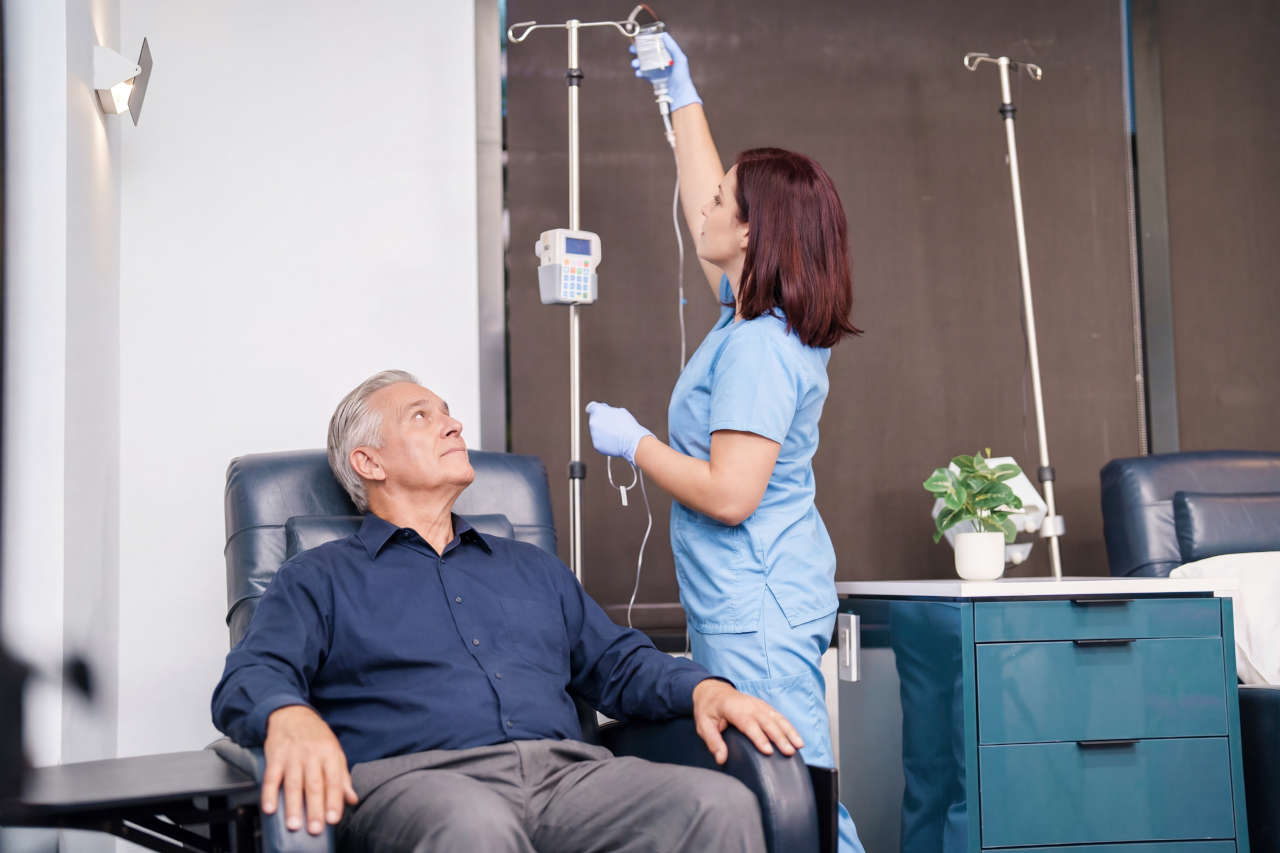
If your doctor has prescribed IV infusion therapy, you’re likely wondering about your next steps. Whether you’ve been recommended IVIG for a primary immunodeficiency or a biologic therapy for an autoimmune condition, understanding the process can reduce anxiety and help you make informed decisions about your care.
This guide walks you through every step of getting IV infusion therapy in California, from choosing the right infusion center to navigating insurance approvals, securing financial assistance, and preparing for your first treatment session.
What you’ll learn:
- Understanding when and why you need IV infusion therapy
- Choosing between hospital and outpatient infusion centers
- Navigating insurance approvals and financial assistance
- Scheduling and preparing for your first appointment
- What to expect during your actual infusion therapy
The 5-Step Process To Start IV Infusion Therapy
| Step | What Happens | Timeline | Who’s Involved | Key Considerations |
| 1. Understanding your therapy | Learn about your prescribed treatment | Immediately | You + physician | Medication type, condition being treated |
| 2. Center selection | Compare options, choose facility | 1-3 days | You + family | Location, amenities, accreditation |
| 3. Insurance approval | Prior authorization submitted | 3-14 days | Infusion center + insurer | Documentation, appeals if needed |
| 4. Financial planning | Copay assistance secured | 1-7 days | Center specialists + foundations | Out-of-pocket costs |
| 5. First infusion | Treatment begins | Scheduled | You + pharmacy team + nursing team | Infusion duration varies between 1-5 hours |
Understanding When You Need IV Infusion Therapy
IV infusion therapy uses an intravenous line to deliver medication directly into your bloodstream. This method of medication delivery provides 100% absorption, making it significantly more effective than oral medications for certain complex conditions. Because biologics and immunoglobulins are large, complex molecules, they cannot be broken down properly by the digestive system. IV administration ensures these medications reach your bloodstream intact and at therapeutic levels [1].
Comparison: IV Infusion vs. Oral Medication
| Factor | IV Infusion | Oral Medication |
| Absorption rate | 100% (direct to bloodstream) | Variable (digestive system) |
| Best for | Biologics, immunoglobulins, complex molecules | Simpler chemical compounds |
| Administration | Clinical setting required | Self-administration |
| Monitoring | Continuous during treatment and 30 minutes to 1 hour post-infusion | Self-monitored |
Conditions Treated With IV Infusion
Your condition requires specialized treatment that standard pharmacies cannot provide. The table below outlines the main therapy types, specific medications, and the conditions they treat.
| Therapy Type | Common Medications | Conditions Treated | Purpose |
| IVIG (Immunoglobulin) | Privigen, Gamunex-C, Gammagard | Primary immunodeficiencies, CIDP, Myasthenia Gravis, Dermatomyositis | Modulates or supports the immune system—replacing antibodies or reducing harmful immune activity to prevent infections or nerve damage |
| Biologic Infusions | Remicade, Stelara, Entyvio, Actemra | Rheumatoid arthritis, Crohn’s disease, ulcerative colitis, psoriatic arthritis, plaque psoriasis, lupus | Target specific immune pathways or proteins causing inflammation, helping control disease and prevent long-term tissue damage |
| Enzyme Replacement | Lumizyme, Elaprase | Fabry disease, Gaucher disease, Pompe disease, MPS I or II | Rare genetic conditions; provides missing enzymes cells need to function properly |
These therapies represent cutting-edge treatments available only through specialized infusion centers, not standard retail pharmacies [2].
Choosing the Right Infusion Center
Once you have your prescription, you face an important decision: where to receive your therapy. This choice will significantly impact your treatment experience, costs, and convenience over the months or years ahead.
Over the past few years, more and more individuals have sought alternatives to a hospital setting for routine infusion therapy. Specialized outpatient infusion centers provide expert care in environments designed specifically for comfort during multi-hour treatments.
IV Infusion Treatment at a Hospital vs. Outpatient Infusion Center
| Factor | Hospital Setting | AmeriPharma (Outpatient Infusion Center) |
| Wait times | Often 60+ minutes | Typically minimal |
| Environment | Clinical, busy | Comfortable, resort-inspired |
| Scheduling flexibility | Limited hours | Extended hours, weekend options available |
| Cost | Generally higher | Often 50-60% lower [3] |
| Parking | Can be challenging | Convenient (most locations) |
| Guest policy | Restricted | Guests typically welcome |
| Exposure risk | Higher (hospital environment) | Lower (dedicated infusion space) |
| Staff specialization | General nursing | IgCN-certified infusion specialists |
For most patients requiring regular infusion therapy, an outpatient infusion center offers better convenience, comfort, and significantly lower costs. Research shows that patients receiving infusions at hospital outpatient departments face costs 3 to 5 times higher than standalone infusion centers, without any reduction in adverse events or improvements in outcomes [3,4].
What To Look for in an Infusion Center
| Quality Factor | What To Look For | Why It Matters |
| Accreditation | ACHC, URAC, NABP certification | Meets national quality standards |
| Nursing credentials | IgCN-certified infusion nurses | Specialized in immunoglobulin and biologic therapy administration [5] |
| Insurance coordination | In-house prior authorization team | Handles paperwork proactively, not reactively |
| Financial support | Copay assistance specialists on staff | Helps secure funding programs |
| Physician coordination | Direct communication with your doctor | Ensures seamless care continuity |
| Treatment environment | Comfortable amenities for 2-4 hour visits | Makes regular therapy more tolerable |
| Location | Convenient to home or work | Reduces stress for ongoing appointments |
A proactive infusion center employs an in-house team of specialists who handle all communication with your insurer, manage the paperwork, and secure insurance approvals for you. In contrast, a reactive center may simply verify your eligibility, leaving the complex authorization process to you and your doctor’s office. This distinction becomes critical when you’re managing a chronic illness and cannot afford delays in treatment.
For California patients, AmeriPharma Infusion Center operates two locations to serve you:
- Beverly Hills: 8750 Wilshire Blvd, Suite 210 (less than one mile from Cedars-Sinai Medical Center, serving Los Angeles, West Hollywood, and surrounding areas)
- Orange County: 132 S. Anita Dr., Suite A, Orange, CA (near UCI Medical Center, serving Anaheim, Irvine, Santa Ana, and surrounding communities)
Both locations offer resort-inspired environments with IgCN-certified nurses, comprehensive insurance coordination, and proven success securing copay assistance. Whether you’re in Los Angeles or Orange County, you’ll receive the same high standard of compassionate, specialized care.
Navigating Insurance Approvals and Financial Assistance
Insurance approval is typically the most complex step in getting IV infusion therapy. The good news? A specialized infusion center like AmeriPharma will handle this process for you, acting as your advocate with insurance companies to secure timely approvals.
How Insurance Approval Works
Insurance companies require proof that your therapy is medically necessary before approving coverage. This process is called prior authorization (though most patients simply call it “insurance approval”).
Your insurer needs to see several documents: complete medical records, accurate diagnosis codes, documentation of previous treatments you’ve tried, and detailed physician notes explaining why IV therapy is necessary for your condition [6].
The approval timeline typically ranges from 3 to 14 days, depending on your insurance company and how complete your documentation is. If your initial request is denied, our insurance experts will file appeals with any additional supporting documentation. Many initial denials are successfully overturned when proper medical justification is presented [7].
Doctors’ offices sometimes leave out critical details or don’t include enough patient history, leading to unnecessary denials. An experienced center knows the common pitfalls and addresses them before they become problems.
Copay Assistance and Financial Support
IV infusion therapy can be expensive, even with insurance. Depending on your plan, you might face copays of $500 to $3,000 or more per infusion [8]. Thankfully, copay assistance programs exist specifically for these therapies, and specialized infusion centers like AmeriPharma employ dedicated staff to help you access them.
What copay assistance specialists do:
- Identify foundations and pharmaceutical assistance programs for your specific therapy
- Complete applications on your behalf
- Secure funding before your first treatment begins
- Coordinate ongoing support as you continue therapy
Some patients qualify for programs that reduce their out-of-pocket costs to zero. The process requires knowledge of available programs, eligibility requirements, and application procedures. Centers with full-time copay assistance teams achieve significantly better results than patients navigating these programs alone.
Typical Cost Scenarios
| Insurance Type | Without Copay Assistance | With Copay Assistance | Notes |
| Commercial insurance | $500-3,000+ per infusion | $0-$100 per infusion | Foundation programs vary by therapy |
| Medicare | 20% coinsurance | Potentially reduced | Medicare-specific programs available |
| High-deductible plans | Full cost until deductible met | Foundation may cover | Depends on therapy type and plan |
AmeriPharma Infusion Center has secured over $55 million in copay assistance for patients. This demonstrates the significant value that experienced financial assistance specialists provide. This support transforms infusion therapy from financially prohibitive to accessible for thousands of patients with chronic conditions.
Preparing for Your First Appointment
Once your insurance approval is secured and copay assistance is in place, you’re ready to schedule your first infusion. The process is straightforward, and your infusion center guides you through each step to ensure you feel prepared and confident.
First Infusion Appointment Timeline
| Timeframe | What To Do | What the Center Does |
| When you contact center | Call or submit online form with insurance cards and prescription information | Verify insurance coverage, confirm prior authorization status |
| Week before appointment | Confirm appointment date and time | Coordinate with pharmacy for medication, send appointment confirmation |
| 24 hours before | Get adequate sleep, hydrate well, eat normally | Final preparation, ensure medication is ready |
| Day of infusion | Arrive on time in comfortable, loose-fitting clothing with easy sleeve access | Greeting, check-in process, escort to infusion suite |
What to Bring to Your First Appointment
Gather these items before your appointment to ensure a smooth check-in process:
- Insurance cards (front and back copies)
- Photo ID
- Complete list of current medications (including over-the-counter supplements)
- Items for comfort during your infusion: book, tablet, headphones, phone charger
First Visit Timing
Your first infusion appointment typically takes 3 to 4 hours total, including check-in/paperwork [9]. Subsequent visits are typically faster because paperwork is already complete and your care team knows your treatment history. Many patients find that after the first few appointments, they can work on a laptop, catch up on reading, or simply relax during infusions, making the time pass quickly.
Transportation
Most patients can drive themselves to and from infusion appointments. Medications are administered while you’re seated comfortably, and side effects that would impair driving are uncommon. However, for your first visit, you may want to bring someone with you in case you experience any fatigue afterward. After your initial treatment, you’ll have a better sense of how your body responds, and most people feel completely fine to resume normal activities immediately.
What To Expect During Your IV Therapy Session
Your Infusion Session Timeline
| Phase | Duration | What Happens | What You Experience |
| Arrival & Check-in | 15-30 min | Complete any remaining paperwork, escorted to suite | Meet your nurse, get comfortable in reclining chair |
| Pre-Infusion | 15-30 min | Medical history reviewed, vital signs taken, IV line placed or central line accessed, pre-medications administered if needed | Brief pinch during IV insertion, then no discomfort. If you already have a port, PICC, or other central line, it will be accessed instead—most patients feel little to no discomfort, just slight pressure. |
| During Infusion | 1-5 hours (Varies) | Medication delivered slowly through IV, regular nurse monitoring | Relax, read, watch streaming content, work on laptop, chat with guest, enjoy snacks and beverages |
| Post-Infusion | 30-60 min | IV removed, final vital signs checked, monitoring for delayed reactions | Rest comfortably while being observed |
| Discharge | 5-10 min | At-home care instructions provided, next appointment scheduled | Return to normal activities |
During your infusion, you’re free to relax however you prefer. Many patients bring work laptops and catch up on projects. Others prefer to read, watch movies on tablets, or simply rest. At AmeriPharma’s locations, you’ll find comfortable seating, Wi-Fi access, and amenities designed to make the time as pleasant as possible. Guests are welcome to stay with you for support or companionship.
Treatment Frequency and Long-Term Planning
Treatment schedules vary by medication and condition. Some patients need infusions weekly, while others come monthly or every few months. Your doctor determines the frequency based on your specific diagnosis and how your body responds to treatment.
Most infusion therapies are ongoing, long-term treatments rather than one-time procedures. Think of IV therapy like insulin for diabetes: it’s an essential, regular treatment that helps manage your condition over time.
If you need to reschedule due to work conflicts or personal commitments, your care team works with you to find times that fit your life. Many centers offer flexible scheduling, including evening and weekend appointments when available. If you’re traveling, some infusion networks can coordinate care at different locations, ensuring continuity of treatment. If your insurance changes due to job transitions or annual plan updates, the center’s specialists handle re-verification and secure new authorizations so you experience no interruption in treatment.
Frequently Asked Questions
How long does it take to get approved and start treatment?
From prescription to first infusion typically takes 1 to 3 weeks, depending on insurance approval timeline. Centers with experienced prior authorization teams often achieve faster approvals by ensuring documentation is complete before submission.
Does IV therapy hurt?
The IV placement or central line access feels like a brief pinch. Once placed, most patients feel no discomfort during the actual infusion. Experienced infusion nurses minimize any discomfort with proper technique and patient positioning.
Can I drive myself home after an infusion?
Most patients can drive themselves home without any issues. For your first infusion, you may want someone with you in case of unexpected fatigue. After that initial treatment, most people resume normal activities immediately, including driving.
What if my insurance denies coverage?
Specialized infusion centers like AmeriPharma employ experts who file appeals with additional documentation and medical justification. Many initial denials are successfully overturned when presented with comprehensive clinical evidence supporting the medical necessity of your treatment.
How much does IV infusion treatment cost?
Costs vary significantly by insurance plan, deductible status, and available copay assistance. A specialized center provides a cost estimate after verifying your benefits and exploring copay assistance options. Some patients qualify for programs that reduce their out-of-pocket costs to zero.
Take the Next Step
Getting started with IV infusion therapy involves multiple steps, but you don’t have to navigate them alone. At AmeriPharma, we handle insurance approvals, secure financial assistance, and provide expert care in a comfortable environment designed for long-term therapy. For California patients, choosing an accredited outpatient infusion center means shorter wait times, specialized nursing care, and costs that are often 50 to 60% lower compared to hospital-based treatment. With IgCN-certified nurses, comprehensive insurance coordination, and proven success securing copay assistance, we’ve helped thousands of patients access the therapy they need.
Schedule your consultation today at AmeriPharma Beverly Hills or Orange County
REFERENCES:
- Immune Deficiency Foundation. “Immunoglobulin Replacement Therapy.” https://primaryimmune.org/understanding-primary-immunodeficiency/treatment/immunoglobulin-replacement-therapy
- National Home Infusion Association. “Immunoglobulin Therapy Standards of Practice.” https://www.nhia.org/
- IVX Health. “Home Infusion vs Infusion Center: How to Choose an Infusion Site of Care That Works for You.” https://ivxhealth.com/blog/home-infusion-vs-infusion-center-how-to-choose-an-infusion-site-of-care-that-works-for-you/
- Journal of Managed Care & Specialty Pharmacy. “Infusion Therapy Patient Outcomes Are Similar at Reduced Costs in Independent Outpatient Infusion Centers vs Hospital Outpatient Departments.” https://www.jmcp.org/doi/10.18553/jmcp.2025.25264
- Immunoglobulin National Society. “IgCN and IgCP Certification: Validate Ig Therapy Expertise.” https://ig-ns.org/certification/
- Immune Deficiency Foundation. “Getting Prior Authorization.” https://primaryimmune.org/advancing-pi-research-and-clinical-care/getting-prior-authorization
- Pharmko. “How Are Prior Authorizations Handled for Infusions?” https://www.pharmko.com/blog/how-are-prior-authorizations-handled-for-infusions
- GBS CIDP Foundation International. “Payment Assistance Options.” https://www.gbs-cidp.org/
- Infusion Therapy Institute. “What Is an Infusion Nurse & How to Become a Certified Infusion Nurse.” https://infusioninstitute.com/what-is-an-infusion-nurse-how-to-become-certified-infusion-nurse/











 English
  Spanish
  Chinese
  Vietnamese