
Starting a new infusion treatment can bring up a lot of questions, especially when you are not sure what the process will look like. If your neurologist has prescribed Ocrevus, you may be wondering what the infusion experience actually involves. This guide walks you through each step of an Ocrevus infusion, from pre-treatment preparation to post-observation, so you’ll know exactly what to expect.
In this guide, you’ll learn:
- What Ocrevus is and how it is administered
- The complete Ocrevus infusion protocol from preparation to discharge
- Common Ocrevus infusion side effects and how to manage them
- Receiving your infusion in a comfortable outpatient setting
What Is Ocrevus?
Ocrevus (ocrelizumab) is an FDA-approved biologic therapy approved to treat both relapsing and primary progressive forms of MS in adults. This medication works by selectively targeting CD20-expressing B cells, which can attack and damage the immune and central nervous systems.
Ocrevus At a Glance
| Medication | Ocrevus (ocrelizumab) |
| Conditions Treated | Relapsing MS (including RRMS, clinically isolated syndrome, and active secondary progressive MS); Primary Progressive MS |
| Administration | Intravenous infusion |
| Infusion Time | Between 2-4 hours, with a 1-hour post-infusion observation period after each infusion |
| First Treatment | Two 300 mg doses administered 2 weeks apart |
| Subsequent Treatments | One 600 mg dose administered every 6 months |
| Common Side Effects | Infusion-related reactions such as itching, rash, nausea, headache |
The Ocrevus Infusion Protocol: A Step-by-Step Look
The Ocrevus infusion protocol is broken into three distinct phases: preparation, infusion, and observation.
Ocrevus Infusion Timeline
| Phase | Duration | What Happens |
| Pre-Infusion Preparation | 30-60 minutes | Vitals check, health screening, IV placement, pre-medications administered |
| Infusion Administration | 2-4 hours | Ocrevus delivered via IV with continuous monitoring for reactions |
| Post-Infusion Observation | 1 hour | Monitoring for delayed reactions before discharge |
Pre-Infusion Preparation (30-60 minutes)
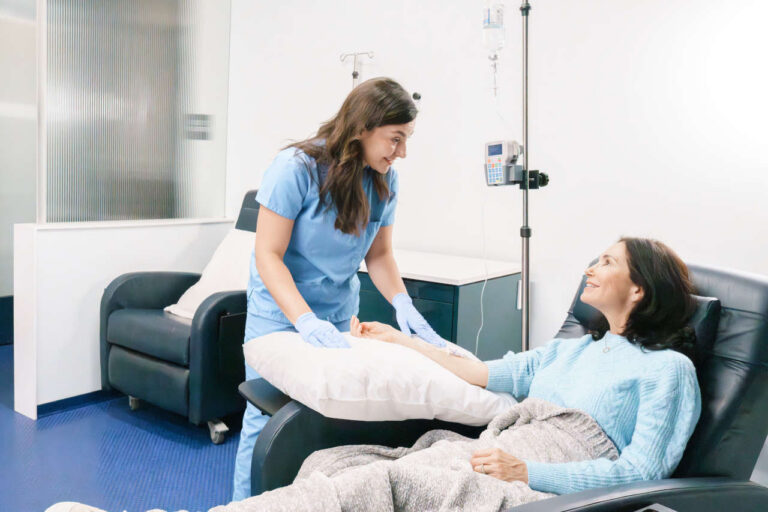
When you arrive for your Ocrevus infusion appointment, the nursing staff will first check your vital signs and conduct a brief health screening. This includes checking your blood pressure, heart rate, and temperature to establish a baseline. An IV line will then be placed, typically in your arm or hand, to deliver the medication and any pre-treatment drugs.
Before your Ocrevus infusion begins, you will receive pre-medications. These typically include an antihistamine and a corticosteroid to significantly reduce the risk of infusion-related reactions. Your healthcare team administers these medications through the same IV line, or by mouth, about 30 minutes before the Ocrevus infusion.
During the Infusion (Ocrevus infusion time: 2-4 hours)
The Ocrevus infusion time varies between 2 and 4 hours depending on your tolerance and which dose you are receiving. For your first treatment, each 300 mg dose is delivered slowly to monitor how your body responds. Subsequent 600 mg doses may be administered slightly faster if you tolerated the initial infusions well.
Ocrevus is delivered slowly through your IV line. The infusion rate typically starts low and may be increased gradually as tolerated. Throughout the entire process, nursing staff will monitor you for any signs of infusion-related reactions.
Post-Infusion Observation (1 hour)
After your Ocrevus infusion ends, you will remain on-site for one hour of post-infusion monitoring. During this observation period, the staff continues to watch for any delayed reactions. Most patients feel fine during this time and are discharged without any issues.
Before you leave, your nurse will provide discharge instructions and information about when to contact your prescribing neurologist. You should be able to resume most normal activities after leaving, though some patients prefer to rest for the remainder of the day.
Ocrevus Infusion Side Effects: What Patients Should Know
The most common Ocrevus infusion side effects are infusion-related reactions, including itching, rash, nausea, and headache. The pre-treatment antihistamine and corticosteroid significantly reduce both the likelihood and severity of these reactions.
If you experience any symptoms during your infusion, report them to your nurse immediately. The trained nursing staff can respond promptly by slowing the infusion rate, administering additional medication, or pausing treatment temporarily until symptoms resolve.
Ocrevus Infusion Side Effects & Management
| Side Effect | What to Do |
| Itching or rash | Notify your nurse; antihistamines may be administered |
| Nausea | Inform staff; anti-nausea medication can be given |
| Headache | Report to your nurse; pain relief options are available |
| Fatigue | Rest during and after infusion; avoid strenuous activity that day |
| Fever or chills | Alert nursing staff immediately; infusion may be paused |
| Difficulty breathing or throat tightness | Notify staff urgently; immediate medical intervention available |
Receiving Your Ocrevus Infusion at AmeriPharma Infusion Centers
AmeriPharma Infusion Centers offer a comfortable, patient-centered outpatient setting for biologic infusion therapies, including Ocrevus. Unlike crowded hospital waiting rooms, our ambulatory infusion centers provide a more personalized experience with IgCN-certified nurses [1] who specialize in infusion therapy for chronic and immunological conditions.
We handle the complex insurance coordination process proactively, working with your healthcare provider and insurer to secure insurance approvals before your first appointment. Our team also helps patients access copay assistance programs, and we provide 24/7/365 support whenever you have questions or concerns.
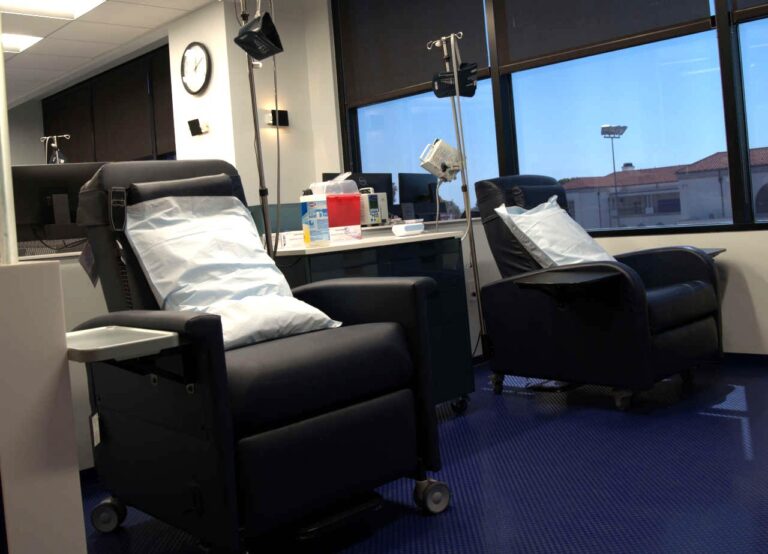
AmeriPharma Infusion Center has multiple locations in California and Washington. Each center offers comfortable seating, complimentary snacks and beverages, and dedicated nurse attention throughout your treatment.
Ready to schedule your Ocrevus infusion in a comfortable outpatient setting? Contact AmeriPharma Infusion Centers to get started today.
REFERENCES:
-
-
-
- FDA – Ocrevus Prescribing Information. https://www.fda.gov/
- Ocrevus.com – MS Treatment Experience. https://www.ocrevus.com/patient/treatment-experience.html
- Ocrevus-HCP.com – Dosing and Administration. https://www.ocrevus-hcp.com/ocrevus/dosing-administration.html
- Ocrevus.com – OCREVUS Pricing and Financial Support. https://www.ocrevus.com/patient/cost.html
-
-










 English
  Spanish
  Chinese
  Vietnamese