
Si su médico le ha recetado terapia de infusión, seguramente se pregunta si su seguro la cubrirá. Tenemos buenas noticias: tanto si tiene un seguro comercial como Medicare, existe cobertura para los tratamientos recetados para controlar afecciones crónicas e inmunológicas. Lo que suele confundir a los pacientes no es la cobertura en sí, sino comprender los requisitos de aprobación y saber cómo gestionar el sistema de manera eficiente. No se preocupe: AmeriPharma está aquí para ayudarle.
En esta guía aprenderás:
- ¿Qué planes de seguro comercial cubren la terapia de infusión?
- Cómo Medicare gestiona la cobertura y los costos de la terapia de infusión.
- Qué significa “médicamente necesario” y por qué la documentación es importante.
- Cómo la verificación de seguro gratuita de AmeriPharma le quita la carga de encima.
Cobertura de seguro para terapia de infusión: un vistazo general
| Tipo de cobertura | Qué se incluye | Responsabilidad típica del paciente | Requisitos clave |
| Seguros comerciales | IVIG, productos biológicos, administración, servicios de enfermería, suministros | Copagos, coseguros, deducibles (varían según el plan) | Receta con código de diagnóstico; a menudo se requiere autorización previa. |
| Medicare Parte B | Servicios de infusión ambulatoria, ciertos medicamentos intravenosos/infundidos | Coaseguro 20% después del deducible $257 (2026) | Médicamente necesario; indicación aprobada por la FDA |
| Medicare Part D | Ciertos medicamentos de infusión domiciliaria no están cubiertos por la Parte B. | Varía según el plan; límite de gastos de bolsillo de $2,100 (2026) | Inscripción en el plan de medicamentos recetados |
| Ventaja del Medicare | Combina los beneficios de las partes A, B y, a menudo, D. | Varía según el plan; normalmente incluye copagos y restricciones de red. | Se deben utilizar proveedores dentro de la red siempre que sea posible. |
Seguro comercial y cobertura de terapia de infusión
La mayoría de los principales planes de seguro médico comercial brindan cobertura para la terapia de infusión médicamente necesaria. Esto incluye planes de Cruz Azul Blue Shield, Aetna, UnitedHealthcare, Cigna, Anthem, y Humana, entre otros.
Qué se suele cubrir:
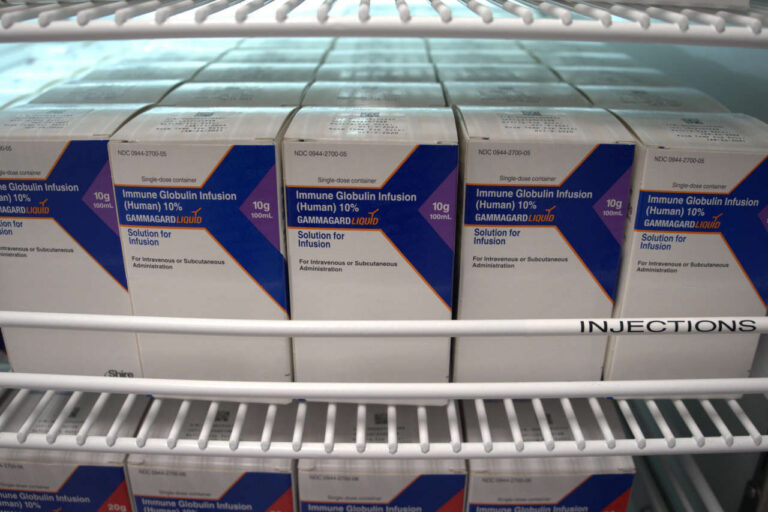
- Medicamentos recetados: Inmunoglobulina intravenosa (IVIG) para inmunodeficiencias primarias, fármacos biológicos para enfermedades autoinmunes (enfermedad de Crohn, artritis reumatoide, esclerosis múltiple)
- Administración de infusiones y servicios de enfermería certificada
- Suministros y equipos médicos (Soportes para suero, tubos, bombas de infusión)
Los gastos que deberá abonar de su propio bolsillo varían según el plan. Dependiendo de la estructura de su póliza, usted podría ser responsable de copagos, coseguros o deducibles. Una consideración importante: el lugar donde reciba tratamiento puede afectar significativamente los costos. Los estudios muestran que los departamentos de pacientes ambulatorios de los hospitales cobran 42% más que centros de infusión independientes, sin una mejora significativa en la seguridad, la calidad o los resultados de los pacientes [3].
Para que el seguro cubra su tratamiento, su médico debe recetarle la terapia de infusión con un código de diagnóstico específico que demuestre su necesidad médica. Esta documentación prueba que usted padece una afección crónica o inmunológica que requiere este nivel de atención (las compañías de seguros no cubren las terapias intravenosas electivas para el bienestar).
¿Cubre la póliza Medicare la terapia de infusión?
El plan Medicare ofrece una cobertura integral para la terapia de infusión médicamente necesaria a través de las partes B y D. Comprender qué parte del plan Medicare cubre su tratamiento específico le ayudará a prever los gastos que deberá afrontar de su bolsillo.
Medicare Parte B (Seguro Médico) cubre los servicios de infusión ambulatoria en centros de infusión certificados y departamentos ambulatorios de hospitales. En 2026, los beneficiarios pagan un coseguro de 20% después de cumplir con el deducible anual de $257 [1]. La parte B abarca:
- Terapia con IVIG para afecciones aprobadas por la FDA (inmunodeficiencia primaria, CIDP, ITP) [2]
- Medicamentos biológicos para afecciones autoinmunes y crónicas documentadas.
- Administración de infusiones, servicios de enfermería y suministros médicos.
Medicare Part D (Planes de medicamentos recetados) puede cubrir ciertos medicamentos de infusión domiciliaria no incluidos en la Parte B. La Parte D tiene un límite de gastos de bolsillo de $2,100 en 2026 [1].
La aprobación de su cobertura por parte de Medicare depende de varios factores: su médico debe presentar el código de diagnóstico correcto, demostrar la necesidad médica basándose en su historial clínico y demostrar que el medicamento recetado tiene indicaciones aprobadas por la FDA para su diagnóstico específico.
Comprensión de las aprobaciones de seguros (autorización previa)
La autorización previa es el proceso mediante el cual su médico presenta documentación a su compañía de seguros para demostrar que la terapia de infusión es médicamente necesaria para su condición específica. Las compañías de seguros generalmente requieren:
- Diagnóstico claro que explique por qué es necesaria la terapia intravenosa.
- Historial médico completo que demuestre la necesidad del tratamiento.
- Documentación conforme a las directrices de la aseguradora sobre necesidad médica.
El proceso de aprobación suele enfrentarse a desafíos comunes que pueden retrasar o incluso impedir la cobertura:
- Documentación incompletaEn ocasiones, los consultorios médicos omiten detalles clave o no incluyen un historial clínico completo del paciente.
- Casos débilesSi inicialmente se presentan pruebas insuficientes, las reclamaciones se deniegan y las denegaciones se vuelven exponencialmente más difíciles de revocar.
- retrasos en el cronogramaLa comunicación constante entre el consultorio del médico y la aseguradora puede retrasar el tratamiento durante semanas.
Las investigaciones demuestran que 91% de proveedores de atención médica Los informes de autorizaciones previas tienen efectos altamente negativos o algo negativos en la atención al paciente.4La mejor manera de evitar retrasos es revisar previamente las notas clínicas y la documentación de respaldo antes de enviarlas para asegurarse de que no falte nada importante.
Cómo AmeriPharma gestiona la verificación de su seguro
La mayoría de los centros de infusión adoptan un enfoque reactivo: verifican su elegibilidad básica y luego dejan el complejo proceso de autorización en manos suyas y de su médico. Esto significa que a menudo se encuentra en medio de todo, atendiendo llamadas de ambas partes mientras intenta comprender la terminología médica confusa y la jerga de las aseguradoras.
El AmeriPharma adopta un enfoque fundamentalmente diferente. Especialistas en seguros internos Gestionamos todos los aspectos del proceso de seguros de principio a fin.
Lo que el equipo de AmeriPharma hace por usted:
- Gestiona toda la comunicación con su compañía de seguros.
- Gestiona el papeleo y obtiene las aprobaciones de los seguros.
- Revisa previamente las notas de su historial clínico y la documentación de respaldo para identificar deficiencias antes de su envío.
- Trabaja directamente con su médico prescriptor para fortalecer los casos débiles y evitar denegaciones.
- Aplica diariamente su experiencia en lo que las aseguradoras necesitan para considerar un tratamiento como médicamente necesario.
AmeriPharma consigue la aprobación de las aseguradoras cuando otras farmacias fracasan. Dado que nuestro equipo gestiona las aprobaciones de las aseguradoras a diario, comprendemos a la perfección qué necesitan las compañías aseguradoras para considerar un tratamiento médicamente necesario, qué terminología médica utilizar y cómo presentar su caso de la forma más convincente posible.
Más allá de las aprobaciones de seguros, AmeriPharma proporciona apoyo financiero adicional que puede reducir o eliminar sus gastos de bolsillo. La organización ha obtenido más de $55 millones en asistencia financiera para los pacientes hasta la fecha. Dedicado asistencia para copagos Los especialistas ayudan a identificar los programas de financiación para los que usted podría calificar, y algunos pacientes no pagan nada de su bolsillo. La mayoría de los pacientes comienzan el tratamiento dentro de las dos semanas posteriores a su primer contacto con AmeriPharma.
Comience con la verificación gratuita de su seguro.
El seguro cubre la terapia de infusión médicamente necesaria cuando se prescribe y documenta correctamente para afecciones crónicas o inmunológicas. En definitiva, el verdadero desafío no radica en si existe cobertura, sino en cómo gestionar el complejo proceso de aprobación.
El equipo proactivo de seguros de AmeriPharma elimina por completo esa preocupación. Mientras usted se concentra en su salud, nuestros especialistas trabajan discretamente para obtener las aprobaciones necesarias, coordinar con su médico e identificar programas de asistencia financiera. Verifique su cobertura de seguro hoy mismo. Para saber cómo AmeriPharma puede ayudarle a obtener el tratamiento que necesita sin los engorrosos trámites administrativos.
REFERENCIAS:
- Centros para los servicios Medicare y Medicaid. (2026). Manual Medicare y usted 2026. Recuperado de https://www.medicare.gov/publications/10050-medicare-and-you.pdf
- Administración de Alimentos y Medicamentos de los Estados Unidos. (2024). Inmunoglobulinas – Productos sanguíneos aprobados. Recuperado de https://www.fda.gov/vaccines-blood-biologics/approved-blood-products/immune-globulins
- Cruchelow, KR, Layne, S., DeClercq, J., Choi, L. y Zuckerman, AD (2026). Comparación de las tasas de incumplimiento terapéutico primario y el tiempo de respuesta entre pacientes atendidos en una farmacia especializada de un sistema de salud en comparación con farmacias especializadas externas.. Revista de Atención Administrada y Farmacia Especializada, 32(3), 300-311. Recuperado de https://www.jmcp.org/doi/10.18553/jmcp.2026.32.3.300
- Asociación Nacional de Centros de Infusión y SamaCare. (2023). Desafíos y oportunidades de la autorización previa para los centros de infusión. Recuperado de https://infusioncenter.org/unifying-prior-authorization-data-unique-challenges-and-opportunities-for-infusion-centers/











 Spanish
  English
  Chinese
  Vietnamese